
Valadez & Associates Blog
Thought leadership, policy updates & firm news—your go-to source for expert insights.
You Can't Live Without Data Centers — Here's Why That Matters
A Day in the Life of Infrastructure You Never See
There's a debate happening in communities across Arizona right now. Data centers. Some see jobs and investment. Others see concerns about resources and growth.
But before we take sides, let's talk about what data centers actually do — because chances are, you've already used one a dozen times today.
YOUR MORNING (6:00 AM – 8:00 AM)
6:00 AM — Your alarm goes off.
That phone in your hand? It synced overnight — software updates, messages, calendar reminders. All processed through servers while you slept.
6:15 AM — You check the weather.
Real-time forecasts pulled from satellites, processed through massive computing systems, delivered to your screen in seconds.
6:45 AM — You start your commute.
Google Maps reroutes you around an accident. Waze warns you about a speed trap. Your ETA updates every few seconds. None of that happens without real-time data processing.
7:30 AM — You stop for gas or coffee.
Tap your card. In less than two seconds, your bank verifies the transaction, the merchant's system logs it, and the payment processor moves the money. Three different data centers, one seamless moment.
YOUR WORKDAY (9:00 AM – 5:00 PM)
9:00 AM — You open your email.
Every message you send crosses through servers — sometimes across the country, sometimes across the world — before landing in someone's inbox.
10:00 AM — You join a video call.
Zoom, Teams, Google Meet — streaming HD video and audio to multiple participants simultaneously. That requires enormous computing power happening invisibly in the background.
11:30 AM — You check your bank account.
Your balance, your transactions, your transfers — all stored and secured on systems running around the clock.
12:00 PM — You order lunch.
The app finds restaurants near you, processes your payment, sends the order to the kitchen, assigns a driver, and tracks delivery to your door. All in minutes.
2:00 PM — You sign a contract.
DocuSign, Adobe Sign — your signature is encrypted, timestamped, and stored securely. Legal documents that used to take days now close in hours.
4:30 PM — You track a package.
Real-time location updates from warehouse to truck to your doorstep. Every scan, every movement, logged and accessible instantly.
YOUR EVENING (5:30 PM – 11:00 PM)
5:30 PM — You head home.
Your smart thermostat already adjusted the temperature. Your security system knows you're approaching. Your garage door opens automatically.
6:30 PM — You catch up on news.
Headlines personalized to your interests, video clips streaming without buffering, local weather updated to the minute.
7:30 PM — You call your parents.
FaceTime, WhatsApp, Zoom — crystal-clear video calls connecting families across the country, processed through infrastructure that makes distance disappear.
8:30 PM — You watch a movie.
Netflix, Hulu, Disney+, Amazon Prime — millions of titles available instantly, streaming in 4K to your living room. No trips to Blockbuster. No waiting.
9:30 PM — You scroll social media.
Photos, videos, stories from friends and strangers — billions of pieces of content served to billions of users, all at once, all personalized.
10:30 PM — You set your alarm.
Your fitness tracker syncs your steps and heart rate. Your sleep app prepares to monitor your rest. Tomorrow, it'll all start again.
THE BIGGER PICTURE
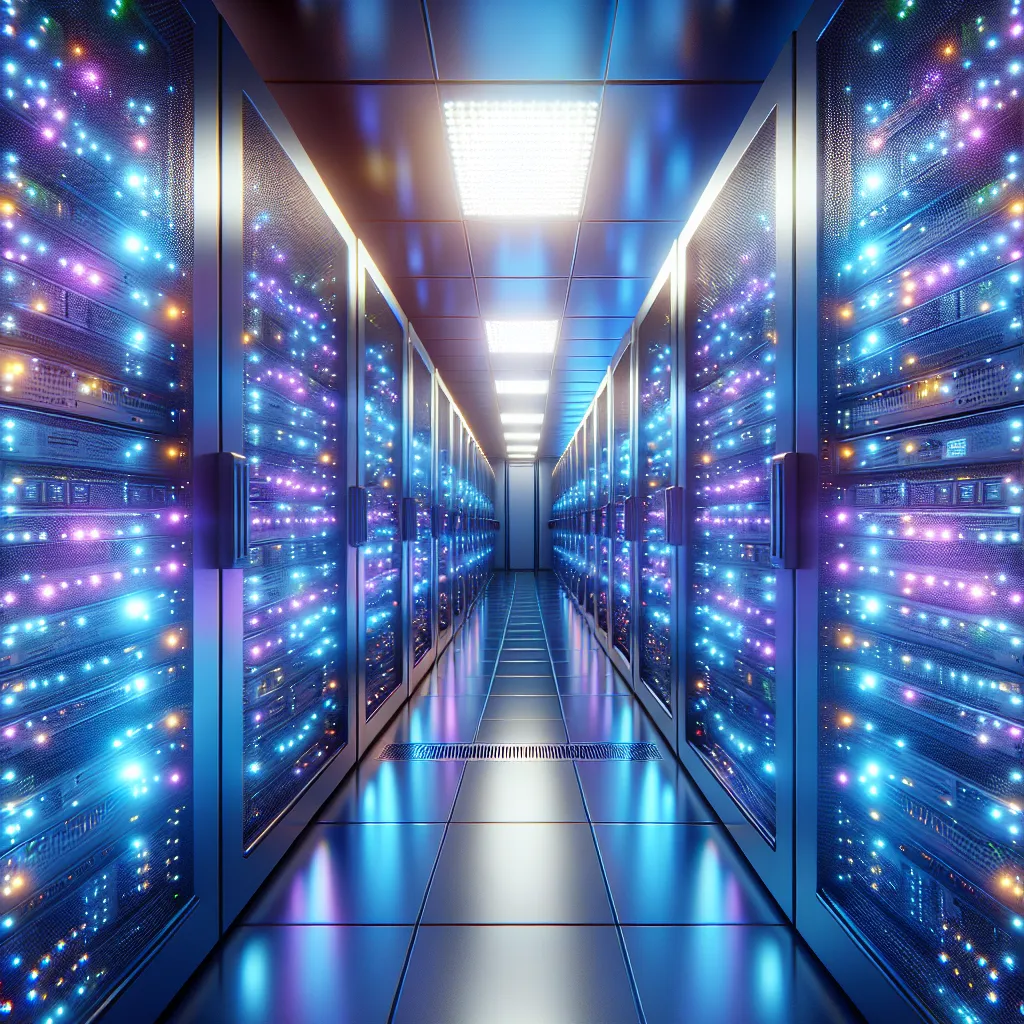
Every moment described above depends on data centers — secure facilities filled with servers that store, process, and deliver the information we rely on.
And it's not just convenience. It's essential services:
• Healthcare — Your medical records, telemedicine appointments, prescription tracking
• Emergency Services — 911 dispatch systems, hospital networks, first responder coordination
• Financial Systems — Every ATM withdrawal, every direct deposit, every mortgage payment
• Utilities — Power grid management, water system monitoring, outage response
• Transportation — Air traffic control, freight logistics, public transit systems
Arizona is seeing significant investment in this infrastructure. That means jobs, economic growth, and keeping the services we depend on running reliably.
A CONVERSATION WORTH HAVING
We've heard from community members on all sides of this issue. Concerns about water, land use, and neighborhood impact are real and worth discussing.
But so is understanding what we're actually talking about.
Data centers aren't abstract. They're the infrastructure behind the life you're already living. The question isn't whether we need them — we already depend on them. The question is how we grow responsibly.
That's a conversation worth having.
Valadez & Associates helps businesses and communities navigate complex policy environments. If you're working through infrastructure challenges in Arizona, let's talk.

Mailing Address:
PO Box 31
Sahuarita, AZ 85629
Prefer to speak directly? Call(602) 804-0053
Phoenix Office Address:
2801 E Camelback Rd, Suite 200
Phoenix, AZ 85016



© Copyright 2025. Valadez & Associates LLC.
All Rights Reserved.